Integrating the Game Ready® Device into the R.I.C.E. Protocol—and the Shift to P.O.L.I.C.E.

This article explains how the Game Ready® device enhances the traditional R.I.C.E. protocol, explores the newer P.O.L.I.C.E. approach, and shows how combining these methods with Winback technology can support recovery.

Understanding the R.I.C.E. Protocol

TThe R.I.C.E. protocol—Rest, Ice, Compression, and Elevation—has long been the standard approach for treating acute injuries and supporting post-operative recovery.

Its goal is to limit the inflammatory response, control pain, and reduce edema to promote faster tissue healing. In this context, the development and integration of innovative technologies, such as GAMEREADY, make it possible to optimize each step of the traditional protocol while offering a personalized and precise approach to patients.

As you will discover a little later, the R.I.C.E. protocol is evolving towards a new therapeutic approach based on early mobility rather than rest: the P.O.L.I.C.E. protocol.

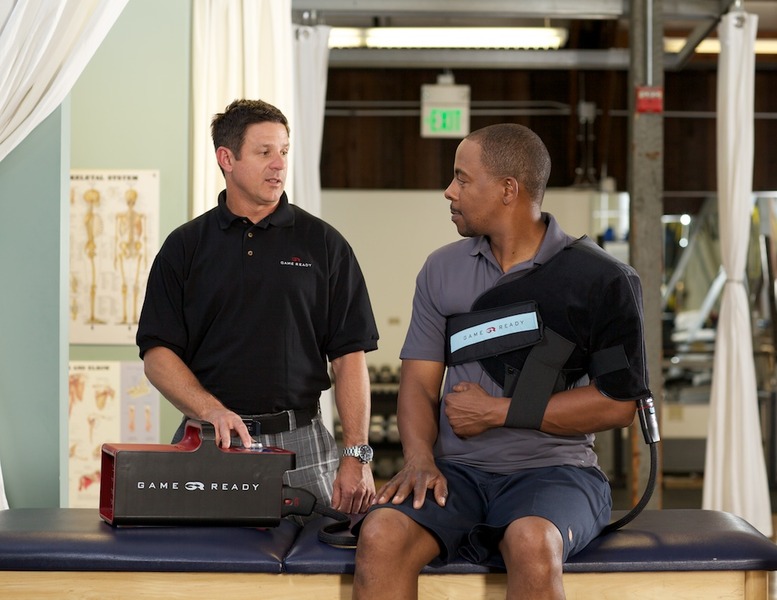
Game Ready®: How It Works

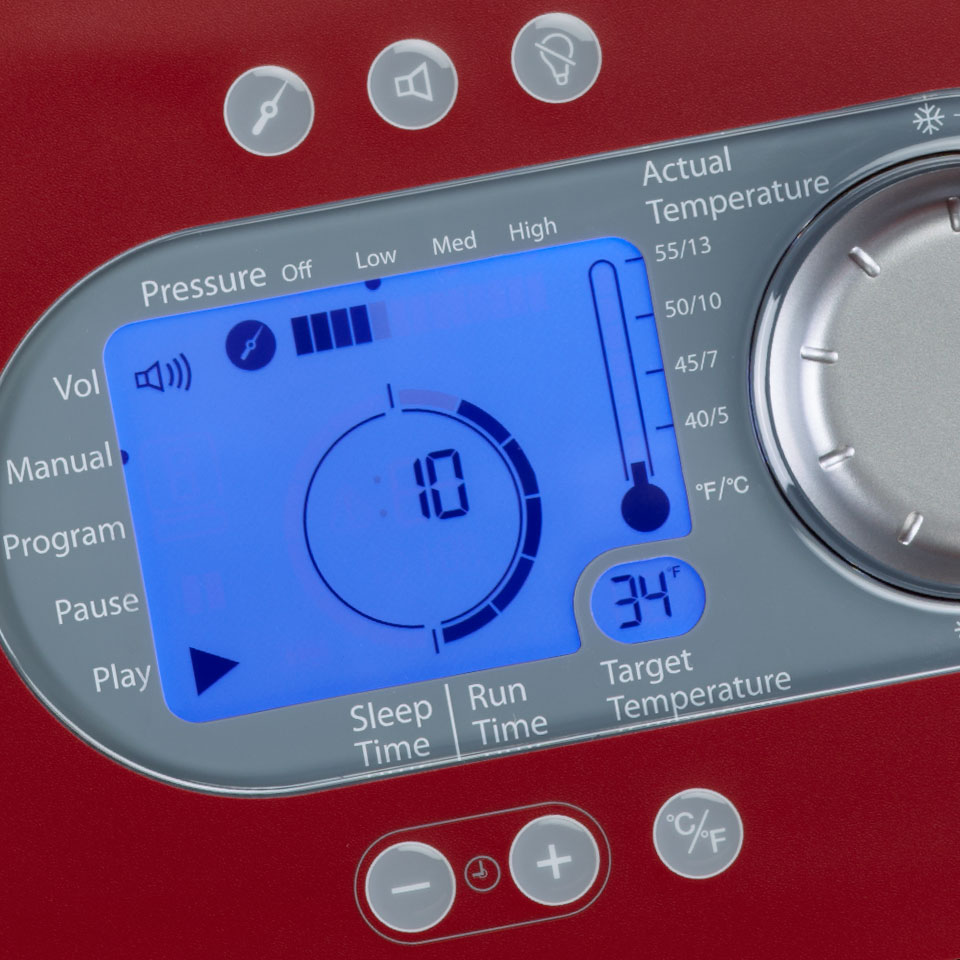
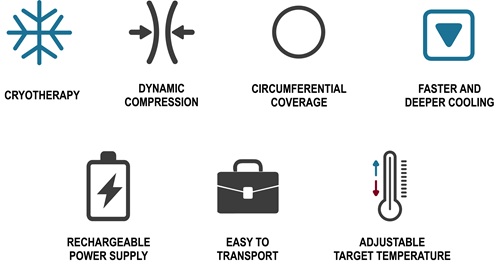
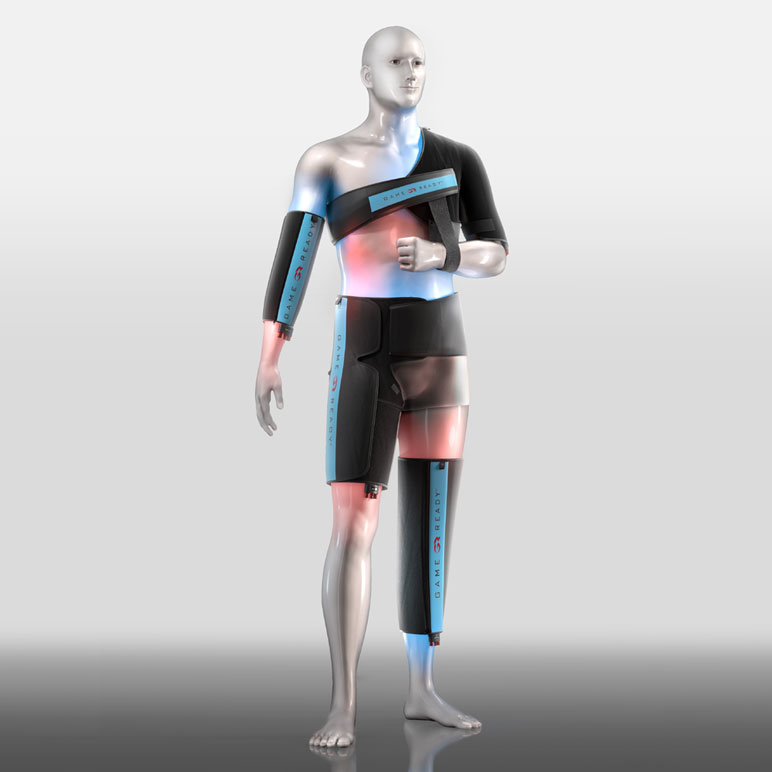
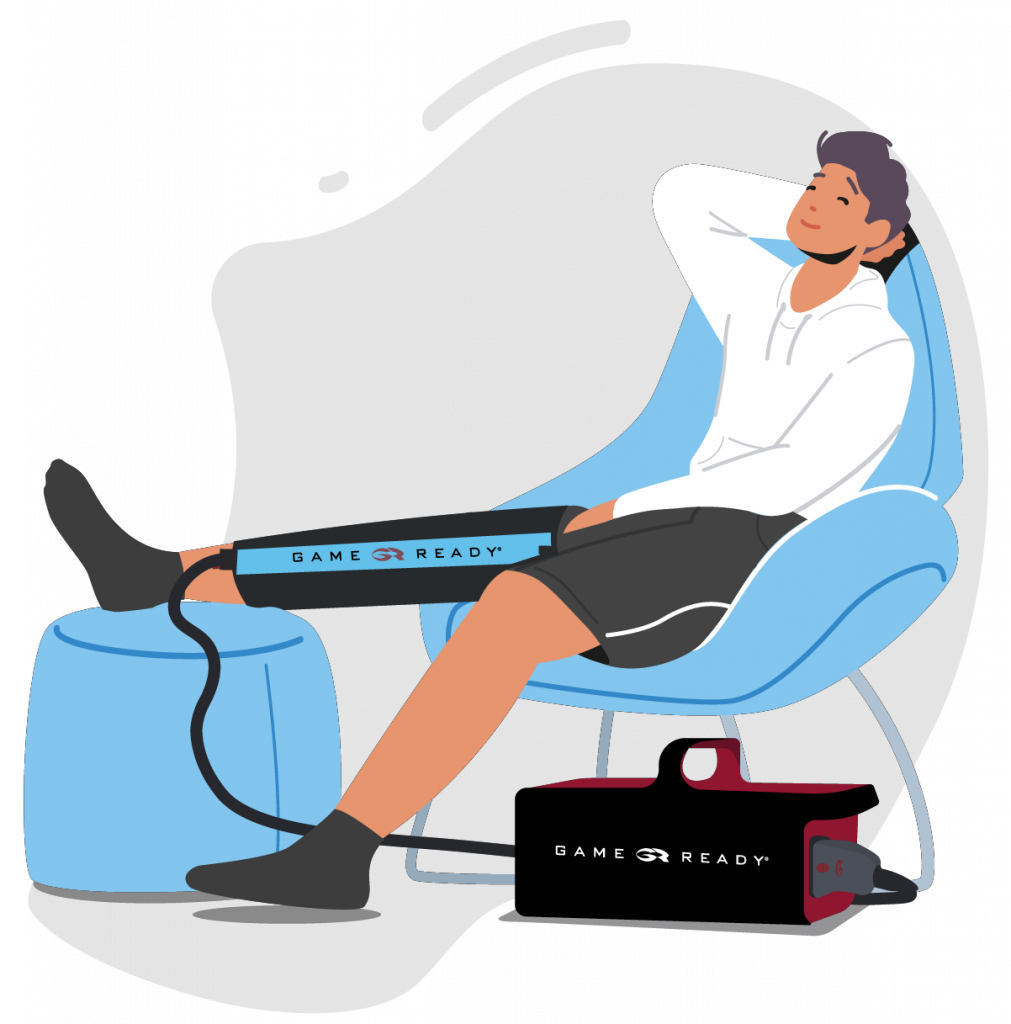
The Game Ready® system combines cold therapy (cryotherapy) with intermittent dynamic compression in a single treatment. Thanks to customizable settings – for example, moderate and constant cold (ranging from 0 to 10°C, with skin temperature reaching between 12 and 20°C) and adjustable compression up to 75 mmHg – it allows treatment to be adapted to the morphology and sensitivity of each patient. 

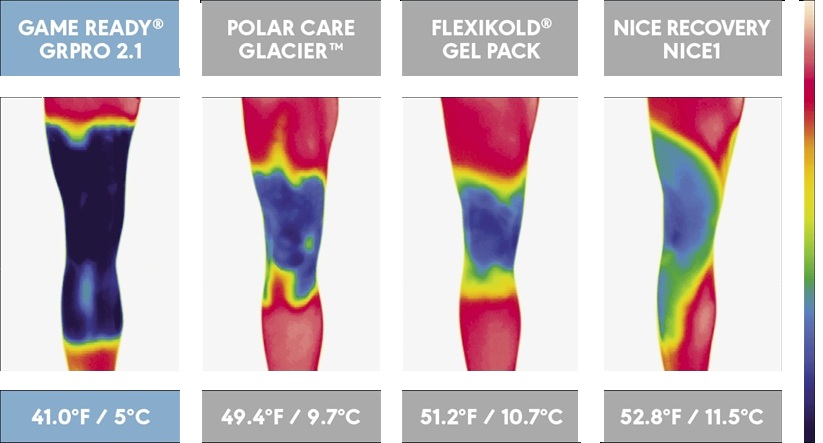
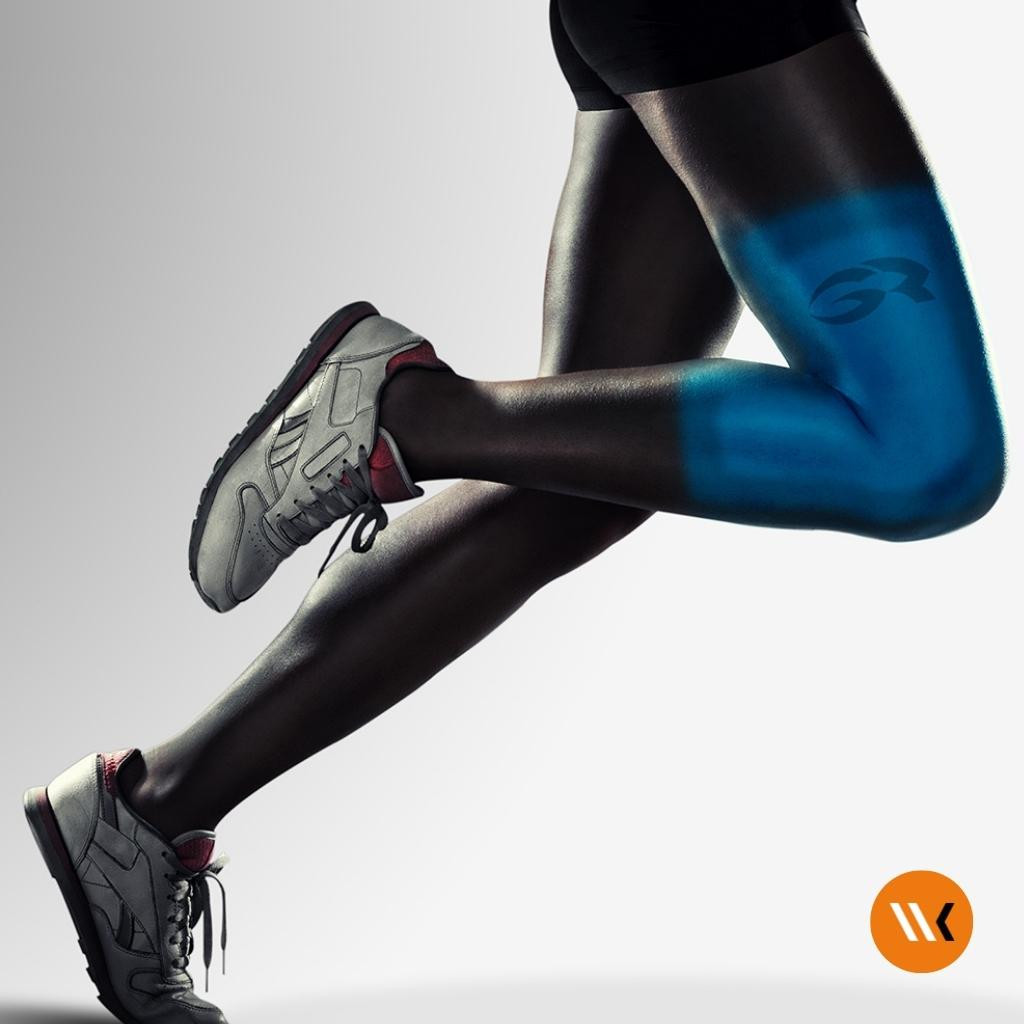
The Game Ready cold pack visible on the thermal image with comparison

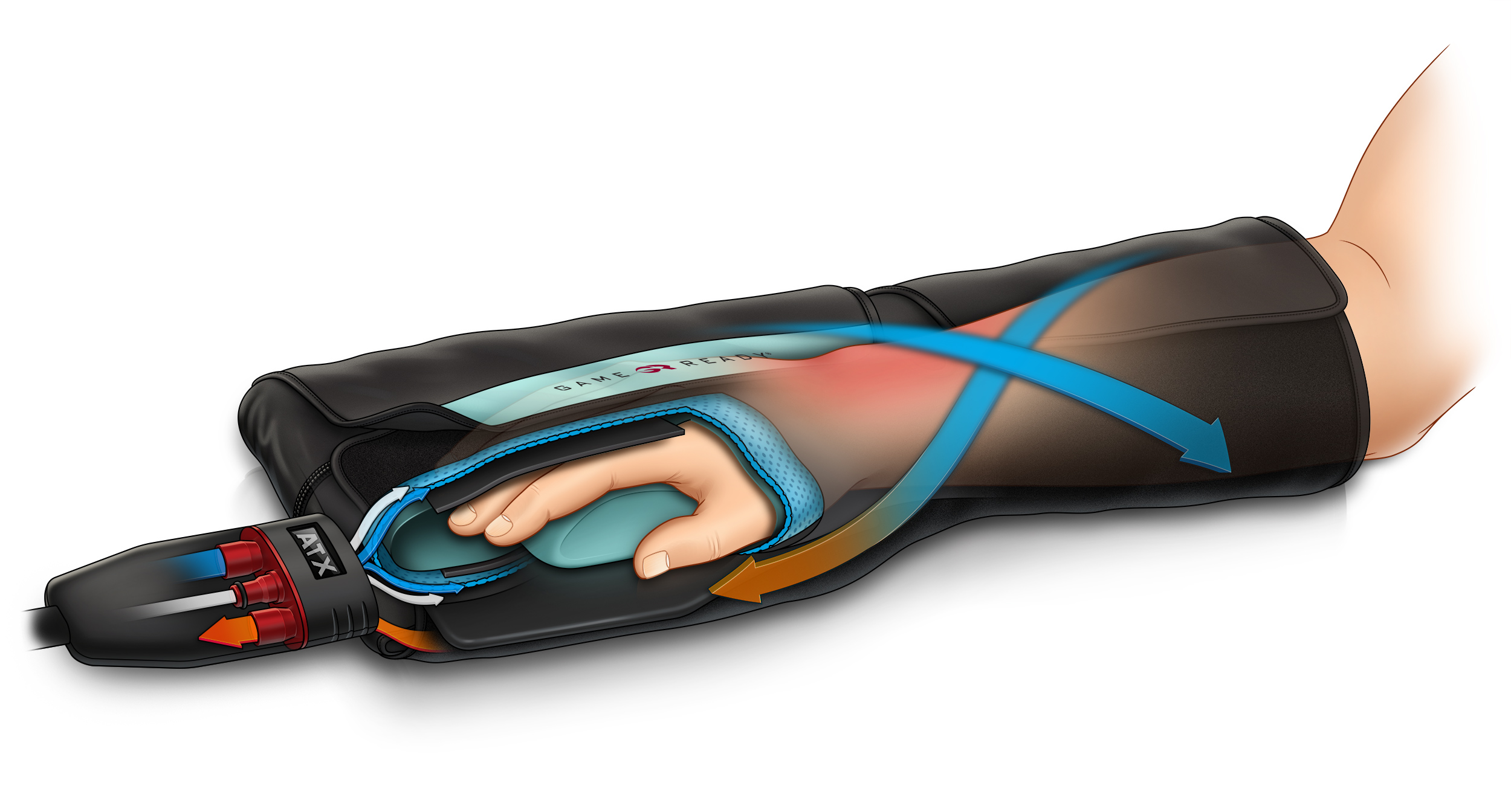
This dual action not only promotes even distribution of cold over the entire affected area but also ensures compression that conforms to the shape of the limb being treated, thus guaranteeing optimal contact and maximum therapeutic efficacy.

Physiopathological Mechanisms and Therapeutic Effects

The benefits of cryotherapy are well established in clinical practice. Cooling the injured area causes local vasoconstriction, which helps reduce inflammation by limiting blood flow and slowing the inflammatory response. Cold therapy also slows nerve conduction, providing effective pain relief.

When combined with intermittent dynamic compression, the therapeutic effects are enhanced. Compression increases local hydrostatic pressure, helping to remove excess fluid from the tissues and reduce swelling.

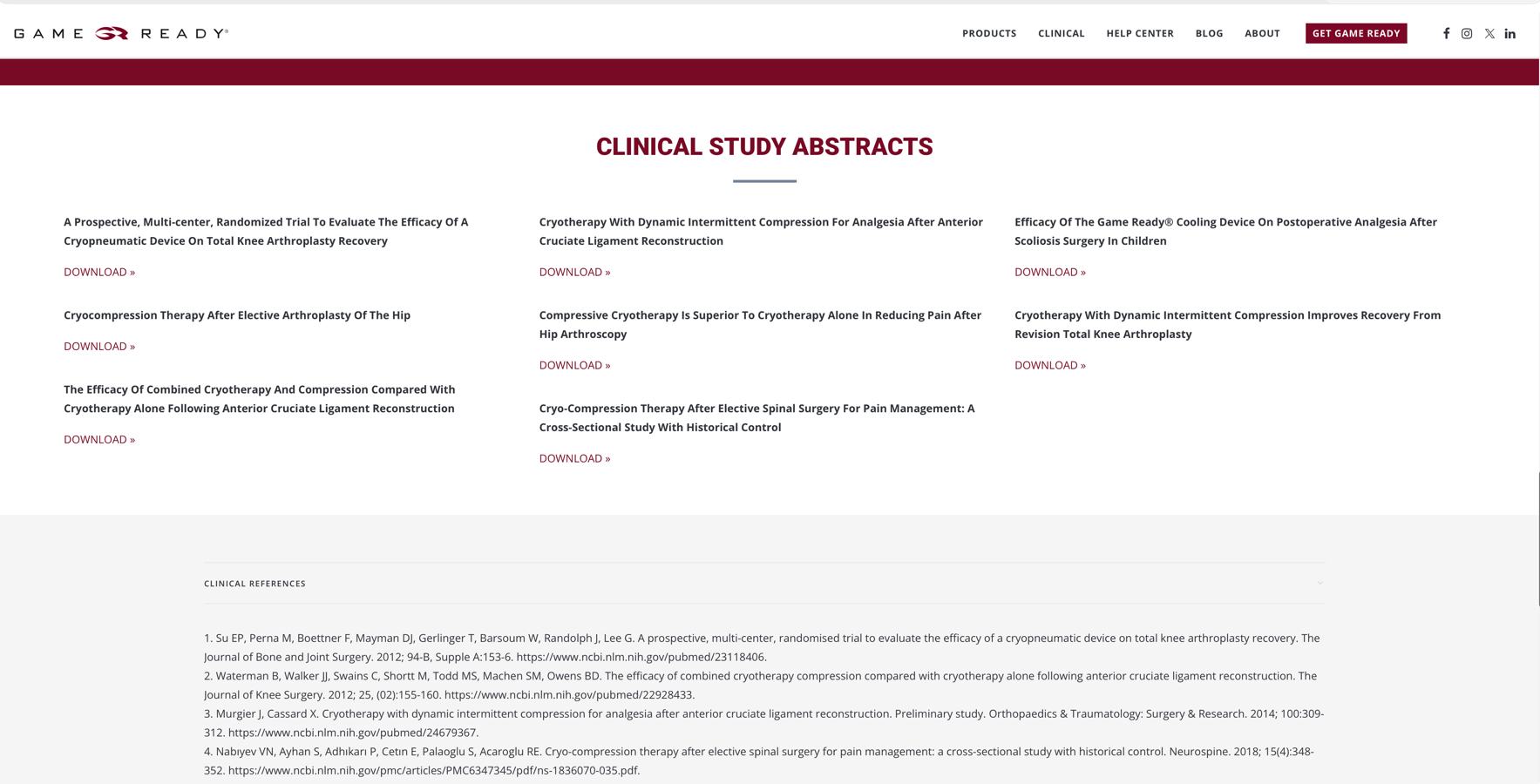
Through this synergistic mechanism, GAMEREADY not only limits the formation of hematomas and edema but also accelerates the return to normal tissue functionality. Clinical studies, notably those published in specialized journals such as the British Journal of Bone & Joint Surgery, have shown a decrease in the consumption of analgesics and an improvement in functional recovery in patients treated with this device.

Clinical Applications and Post-Operative Benefits

Early treatment is essential after injury or surgery to reduce pain, swelling, and inflammation. Integrating Game Ready®into the R.I.C.E. protocol helps create an optimal environment for healing from the start of recovery.

Specifically, the device can be used at the beginning of a rehabilitation session to stimulate local circulation and prepare tissues for mobilization, or at the end of a session to soothe residual pain and prevent the reconstitution of an inflammatory loop.

This adjustable treatment thus offers two intervention axes: on the one hand, the attenuation of immediate pain and swelling, and on the other, the facilitation of an early return to functional activity, with a notable reduction in dependence on postoperative analgesics.

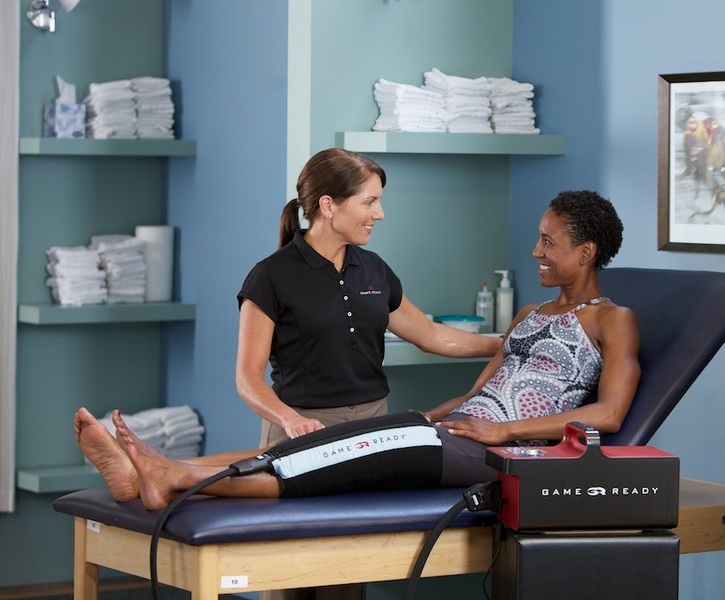
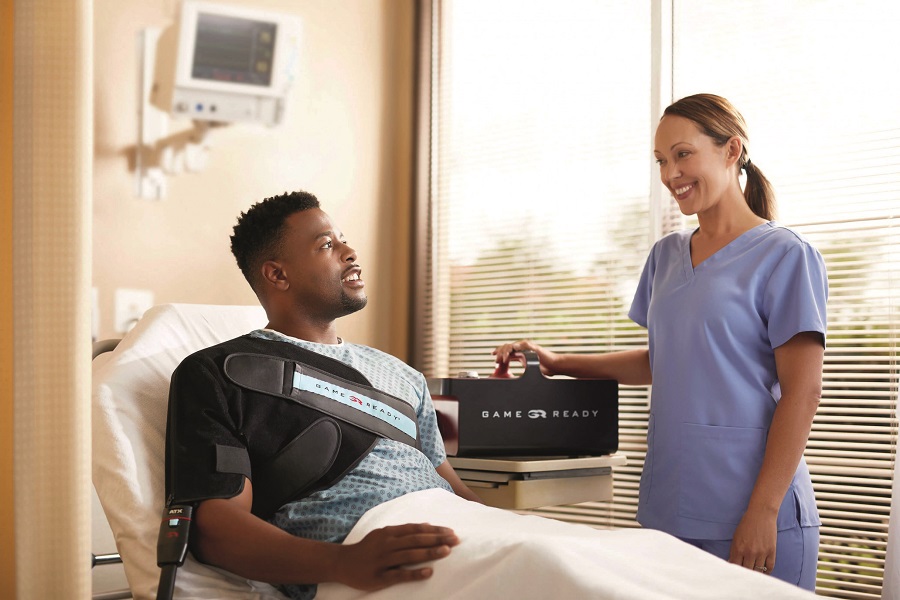
Game Ready during rehabilitation treatment
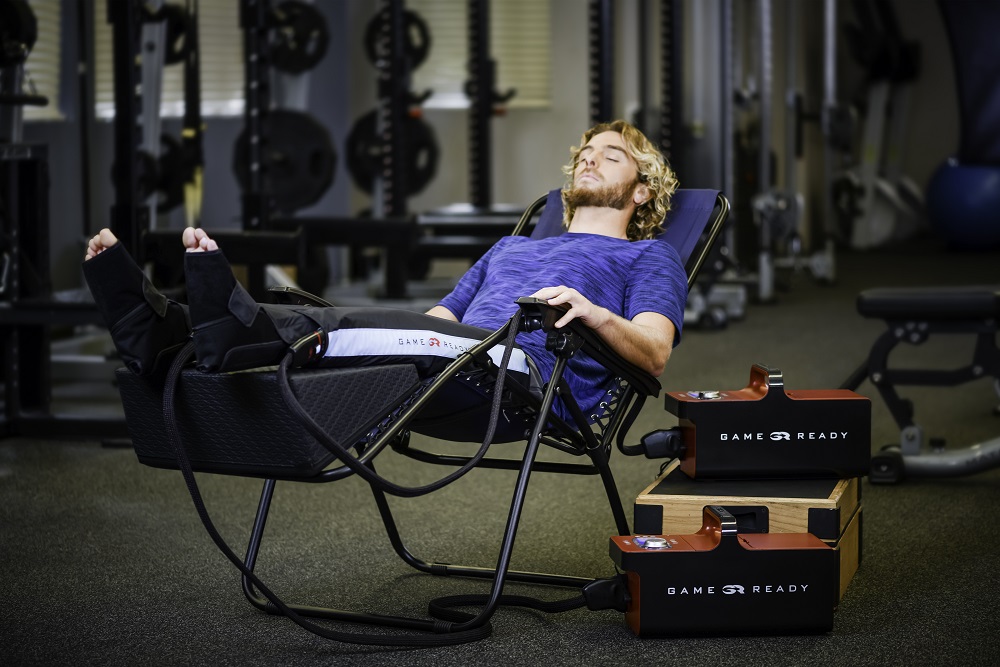
Game Ready and Post-Competition Recovery
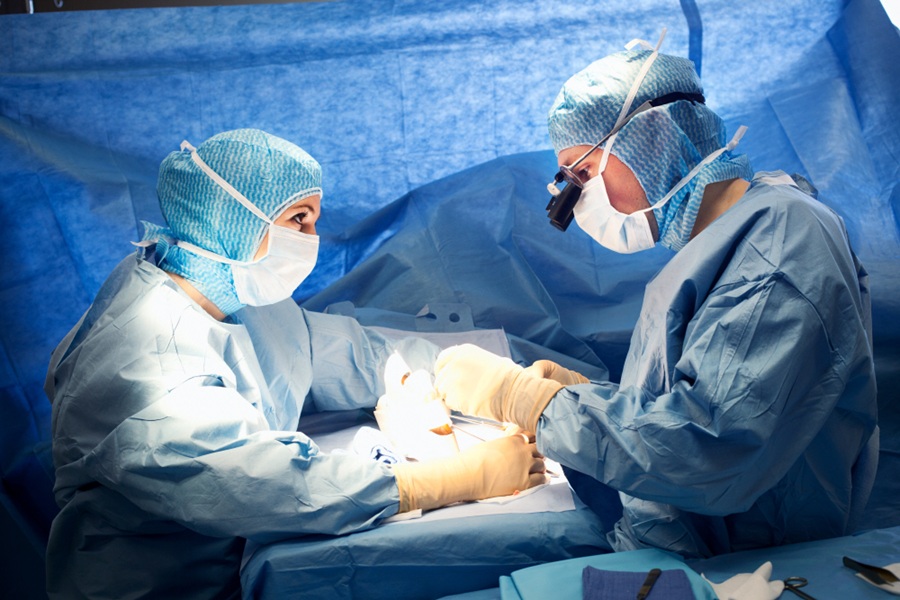
Game Ready in the immediate postoperative period
Game Ready available for home rental

Clinical Perspective and Conclusion

The key advantage of Game Ready® is its ability to deliver precise, consistent, and personalised cold and compression therapy. Adjustable temperature, treatment time, and compression levels allow clinicians to tailor treatment to each patient's condition and stage of recovery.

By enhancing the traditional R.I.C.E. protocol, Game Ready® helps reduce pain and swelling, supports faster rehabilitation, and improves patient outcomes following injury or surgery.

In conclusion, the integration of GAMEREADY into the R.I.C.E. protocol represents a major technological and therapeutic advance. By optimally combining the proven principles of cryotherapy and compression, this device not only reduces pain and edema but also accelerates the rehabilitation and healing process. 

Positive clinical feedback and study results reinforce its status as the standard for postoperative and post-traumatic treatment, offering healthcare professionals an innovative tool to optimize patient care.

Expanding the Subject & Case Studies

Beyond the postoperative aspect, the application of devices similar to GAMEREADY could be considered in other therapeutic contexts requiring precise regulation of temperature and compression. 

Integrated Hand/ Wrist Wrap - Game Ready

For example, in the management of chronic tendinopathies or in sports rehabilitation, optimizing cryotherapy parameters could offer additional benefits in terms of pain reduction and improved mobility. The evolution of research in this field thus promises new prospects for the personalization of recovery protocols. 

Game Ready Wraps

This article illustrates how technological innovation, driven by devices like GAMEREADY, can enrich and optimize traditional therapeutic protocols, thereby offering better quality of care and a faster return to optimal functionality for the patient.

Here are some case studies that illustrate the effectiveness of the Game Ready device in various clinical contexts. These cases demonstrate how the integration of cryotherapy combined with dynamic compression makes it possible to optimize pain management and accelerate postoperative recovery.

Anterior Cruciate Ligament Reconstruction

A controlled case study compared two groups of patients who had undergone anterior cruciate ligament reconstruction.

One group received treatment with cryotherapy combined with intermittent dynamic compression using Game Ready, while the other benefited from classic static cryotherapy (for example, with a traditional ice pack).

The results showed that patients treated with Game Ready had a significant reduction in the consumption of analgesics and a faster functional recovery.

This study suggests that dynamic cryo-compressive therapy not only limits edema but also facilitates a quicker return to normal activity.

Straight Knee Wrap - Game Ready

Case Study 2: Pain Management and Postoperative Rehabilitation in Spinal Surgery

In another context, the device was used in the postoperative management of patients who had undergone spinal surgery. 

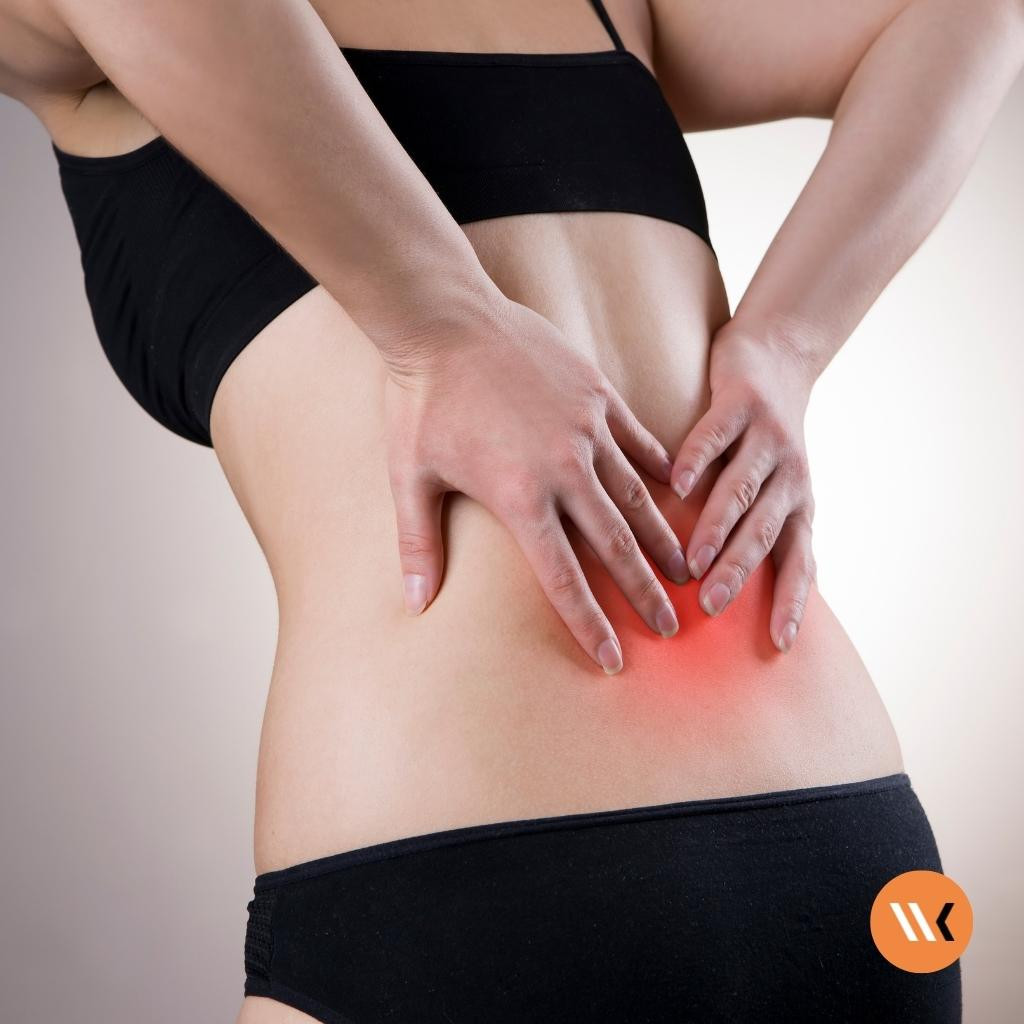
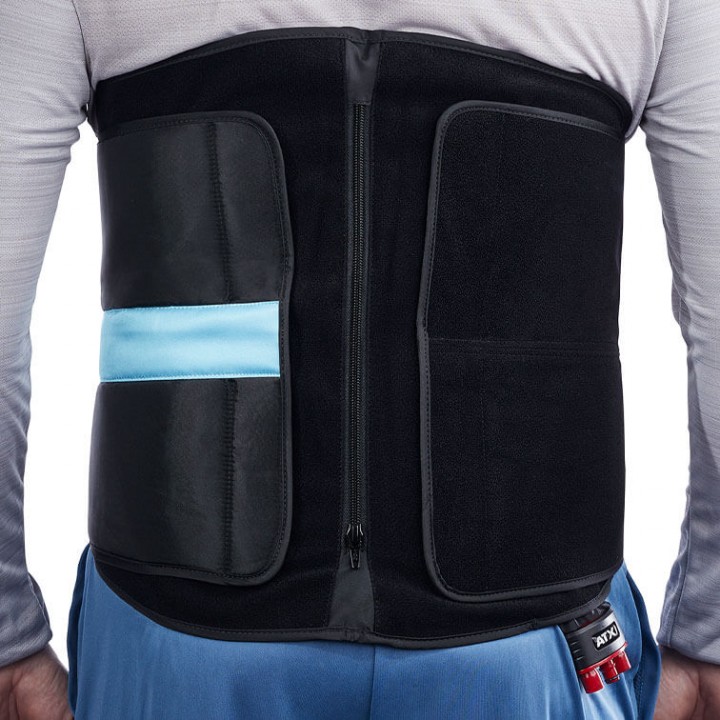
Here, the adaptation of treatment in the form of a cryo-compressive vest made it possible to work specifically on the spine. Several clinical cases presented in the literature show a marked reduction in pain and accelerated early rehabilitation compared to an approach based solely on analgesics. 

Furthermore, some publications indicate that this treatment method helps minimize the risks of complications related to intensive drug treatments while promoting better quality of postoperative pain management.

Back Wrap - Game Ready

Case Study 3: Rehabilitation of the Upper Limbs – The Case of the Shoulder

Another striking example is that of a patient who had undergone three surgical procedures on the shoulder. 

In this case, the use of Game Ready allowed for a personalized approach by modulating both the intensity of the cold and the compression. This treatment helped to significantly reduce edema and control postoperative pain, leading to safer and accelerated rehabilitation.

This case study demonstrates the interest of the flexibility offered by the system, which adapts to the specific needs of each intervention and each patient.

Shoulder wrap- Game Ready
gameready clinical evidence

Clinical Perspective and Conclusion

Healthcare professionals can access a wide range of clinical studies and practical cases on the official Game Ready website. Among these resources, the document entitled New Standard of Postoperative Treatment compiles several concrete examples that attest to the positive impact of the device in various contexts, ranging from the management of orthopedic trauma to the optimization of rehabilitation phases in various surgical indications. These experiences confirm that dynamic cryo-compressive therapy offers real added value by reducing pain, limiting edema, and facilitating the functional recovery of patients.

Conclusion

The available case studies show that the integration of Game Ready into the R.I.C.E. protocol offers tangible clinical benefits, both in terms of pain management and acceleration of postoperative rehabilitation.

Whether it is ligament reconstruction, spinal surgery, or shoulder interventions, clinical feedback indicates that this device allows for more personalized and effective care.

These examples also illustrate the interest of combining cryotherapy with dynamic compression – an approach that, according to initial data, could be extended to other therapeutic areas in the future.

From R.I.C.E. to P.O.L.I.C.E.: The Evolution of Injury Management

Introduction

For many years, the R.I.C.E. protocol (Rest, Ice, Compression, Elevation) was the standard approach for treating acute muscle and joint injuries.

However, growing evidence suggests that prolonged rest may delay recovery. This has led to the development of the P.O.L.I.C.E. protocol, which replaces rest with Optimal Loading to encourage safe, early movement and support more effective tissue healing.

The R.I.C.E. protocol: the historical reference in summary

Proposed by Gabe Mirkin in 1978, the R.I.C.E. protocol aimed to limit pain and inflammation after an injury.

Objective:

R.I.C.E. mainly sought to reduce symptoms (pain, swelling) rather than optimize functional recovery.

The limits of R.I.C.E. :

Over time, several studies have shown that total rest can delay healing by slowing tissue regeneration and promoting muscle loss.

In summary:

Absolute rest is no longer recommended.

Cold remains useful in a reasonable

Signification :

avoid any movement to prevent worsening the injury

apply cold to reduce pain and edema. 

Compression: compress the area to limit swelling. 

Elevation: elevate the injured limb to promote venous return.

The emergence of the POLICE protocol

In 2012, Bleakley et al. proposed an update: P.O.L.I.C.E., an acronym for Protection, Optimal Loading, Ice, Compression, Elevation.

This protocol integrates the notion of progressive functional loading to accelerate recovery.


The key idea:

Controlled movement and progressive loading are beneficial from the early phases of recovery.

This promotes vascularization, tissue regeneration, and proprioception.

Signification :

protect the injured area during the first 24-48 hours to avoid aggravation. 

gradually reintroduce movement and adapted load according to tolerance, promoting healing and maintaining muscle capacity.

use cold in a reasonable manner to control pain.

maintain moderate compression to limit edema. 

keep the area elevated to promote drainage.

From R.I.C.E. to P.O.L.I.C.E.: a paradigm shift

Better pain management. Faster recovery. Gentler patient experience

This transition marks a major turning point in the management of musculoskeletal injuries:

Aspect

R.I.C.E.

P.O.L.I.C.E.

Philosophy

Rest and symptom control

Progressive functional resumption

Main objective

Reduction of pain and inflammation

Optimization of healing and return to movement

Rest

Total

Partial and adapted

Ice

Systematic

Reasoned, according to patient tolerance

Role of the practitioner

Passive

Active and educational

This is where the importance of the Gameready system lies, thanks to its ability to adapt to the patient's tolerance by decreasing the temperature and/or compression.

To go further

how Winback tecar therapy opens new perspectives

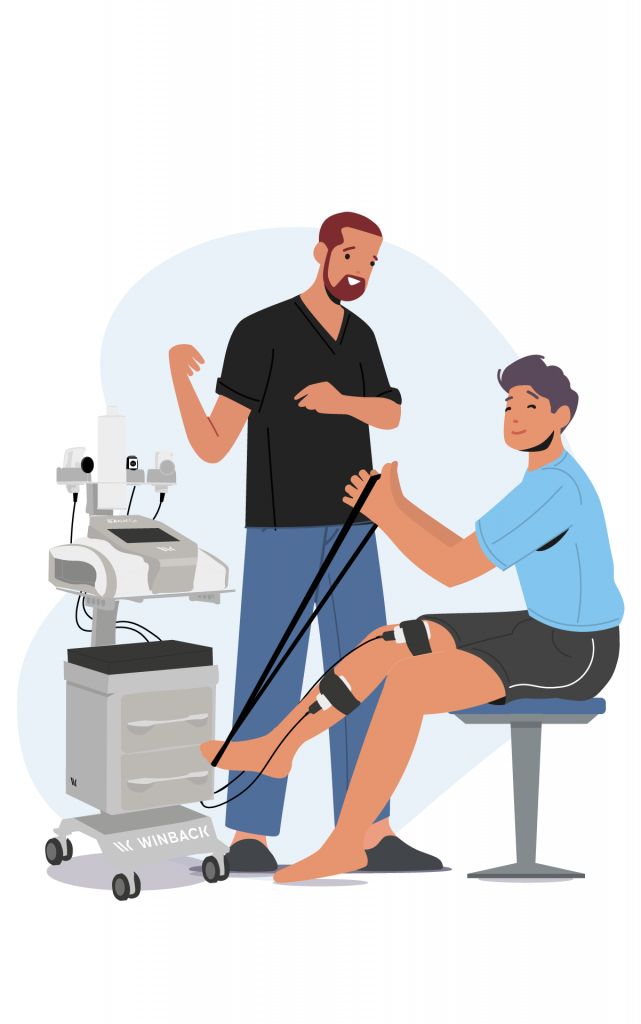
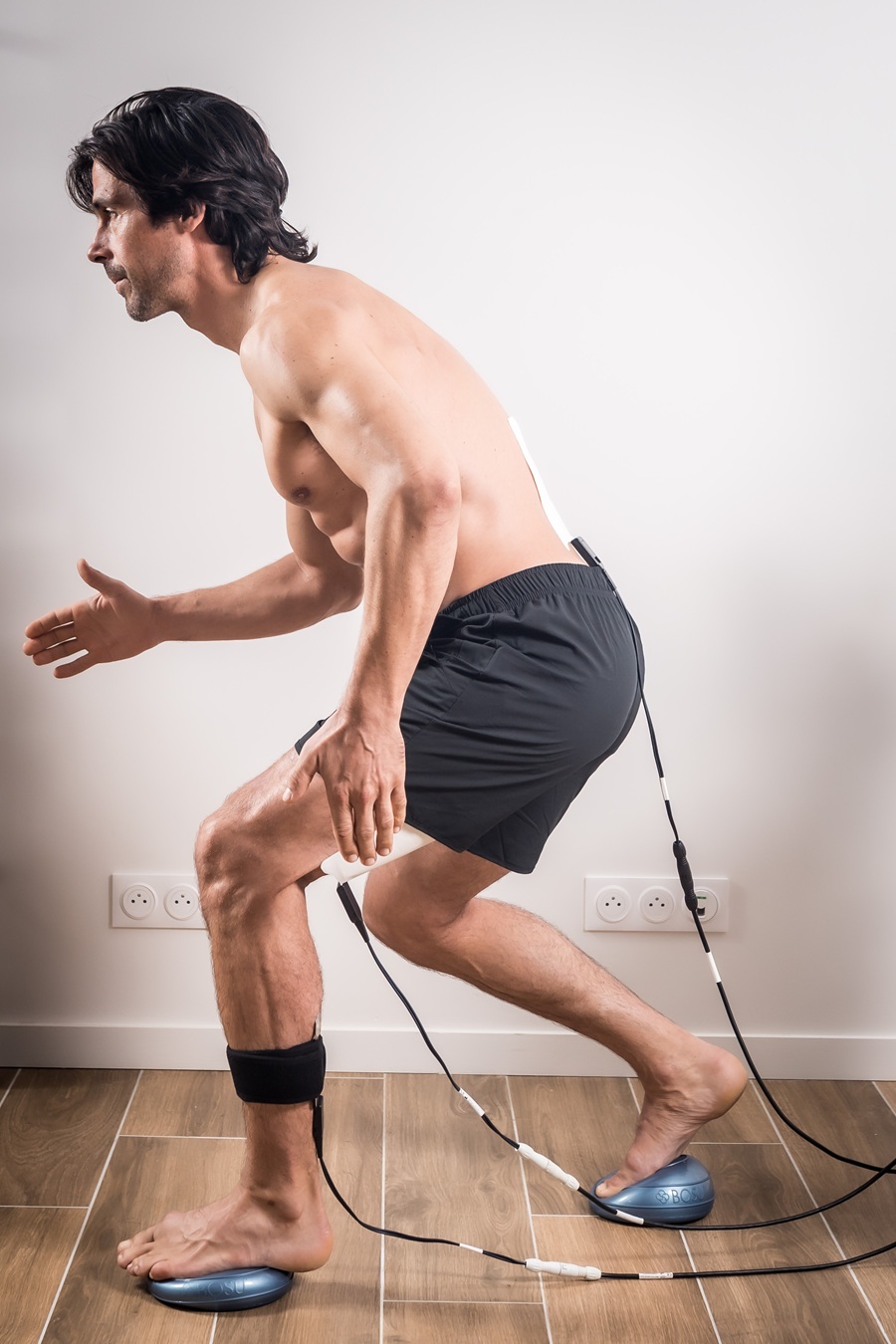
Winback technology is part of the continuity of Gameready to ensure optimal loading. Indeed, the simultaneous use of Tecar, HiTENS, and HIEMS currents respectively improve joint amplitude, analgesia, and muscle function.

The controlled movement (recommended by the POLICE protocol) is thus optimized thanks to the polysynchronized currents of Winback. Moreover, it should be noted that the biological properties of the Tecar current facilitate healing and trophicity.

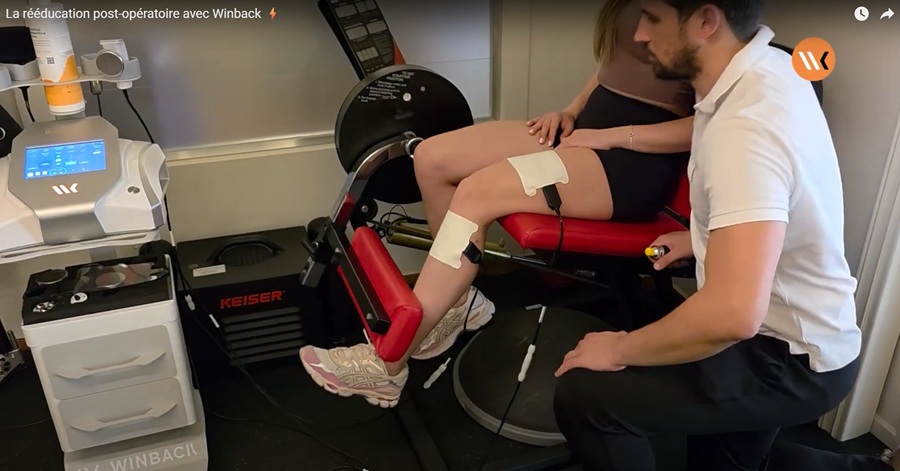
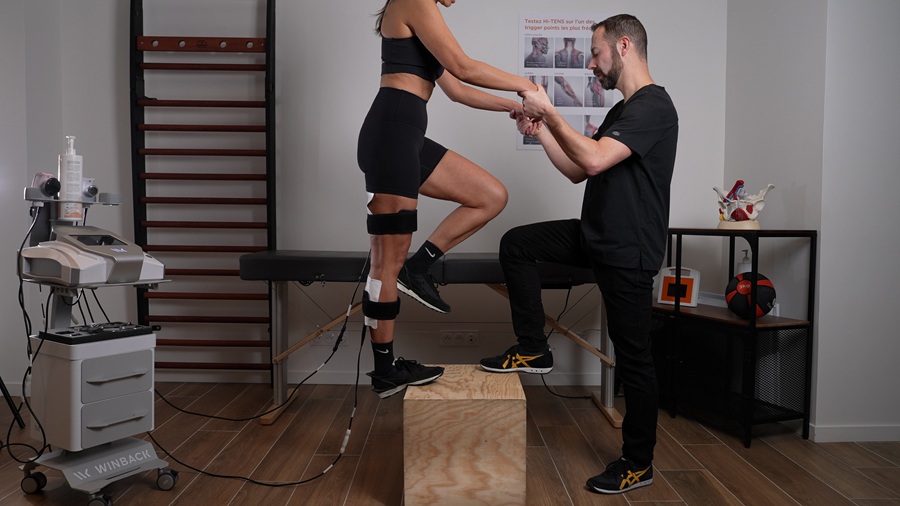
Winback coupled leg press extension to facilitate post-operative strengthening
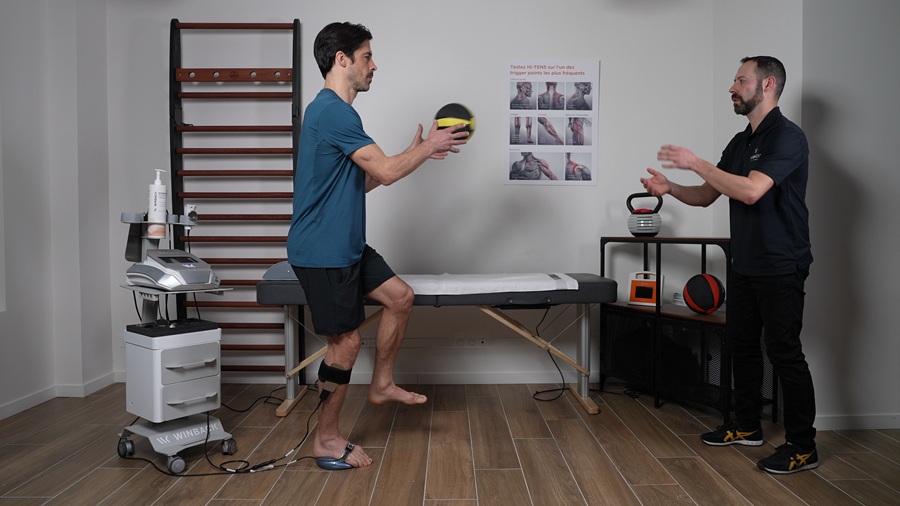
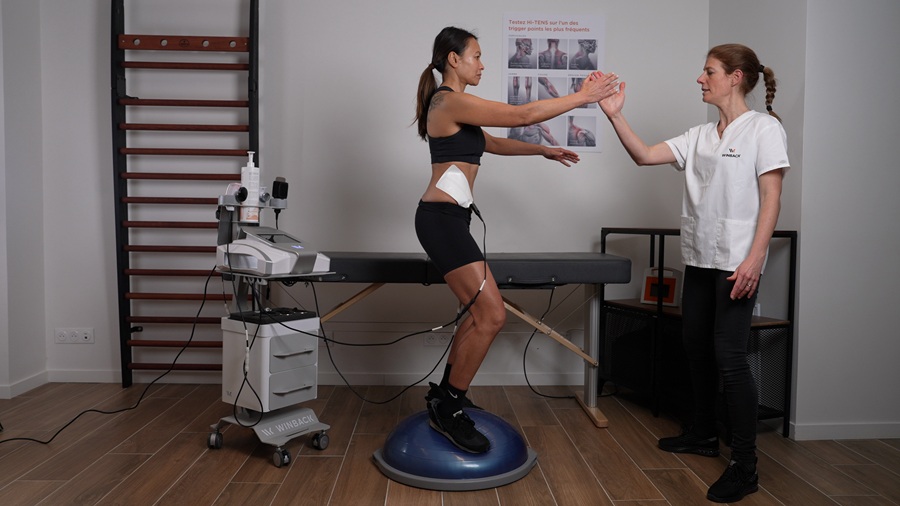
Proprioceptive work through stimulation of the fibular muscles (facilitated muscle recruitment)
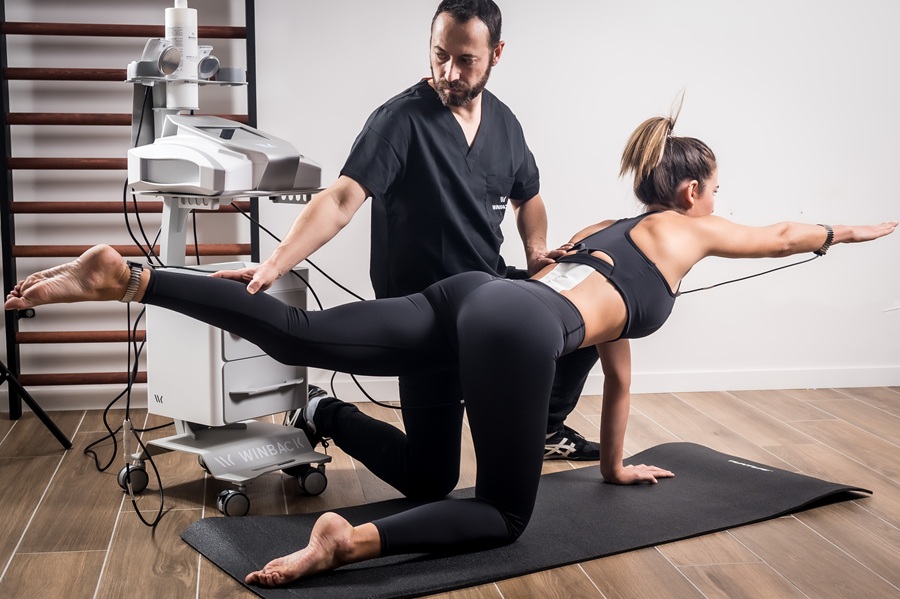
Eccentric work on the posterior chain (optimization of healing)
Facilitated abdominal recruitment

Towards new protocols: PEACE & LOVE

Since 2019, some experts recommend going further with the PEACE & LOVE protocol, which integrates psychological, educational dimensions, and long-term load.

But POLICE remains today the most commonly used clinical reference in the acute phase.

Conclusion

The evolution from RICE to POLICE illustrates the shift from a symptomatic and passive approach to an active management based on optimal functional load.

In physiotherapy as in sport, it is no longer just a question of "resting" a tissue, but of stimulating it intelligently to promote quality repair.

Proprioceptive work on the posterior chain (facilitating recruitment and endurance)
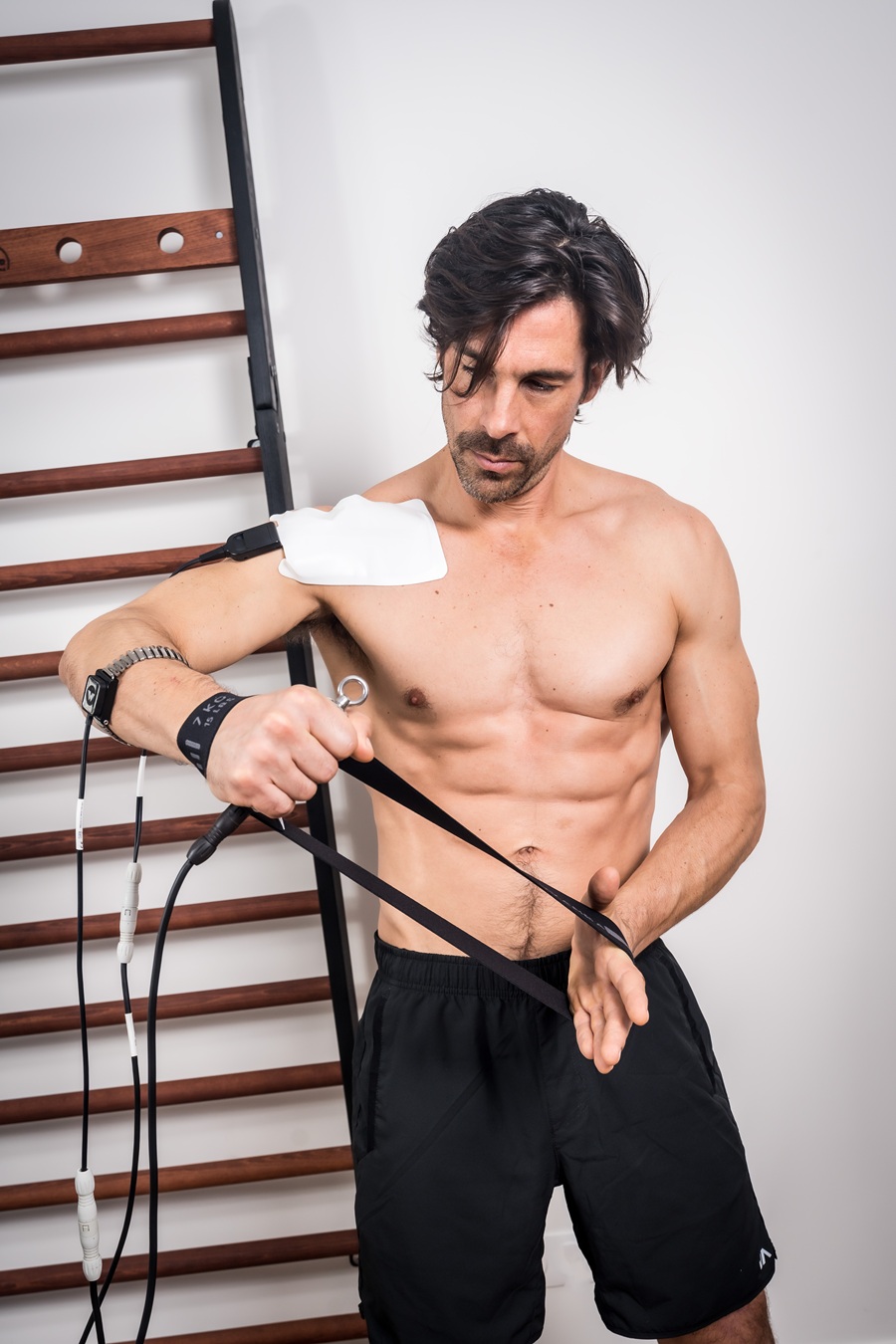
Isometric exercise of the rotator cuff (facilitating recruitment and pain relief)

Bibliography & Scientific Literature:

Download the free white book combining scientific literature and clinical cases on Winback and Game Ready technologies:

WINBACK & GAME READY WHITE BOOK

contact

EASY PAYMENT

Credit card

delivery

FREE DELIVERY

From 500 £ (excl. vat) of purchases

sav

AT YOUR SERVICE

From Monday to Friday 9:00 a.m. to 5:00 p.m.

payment

100% SECURE PAYMENTS

With Stripe

sterling

PAYMENT METHODS

Visa, Mastercard