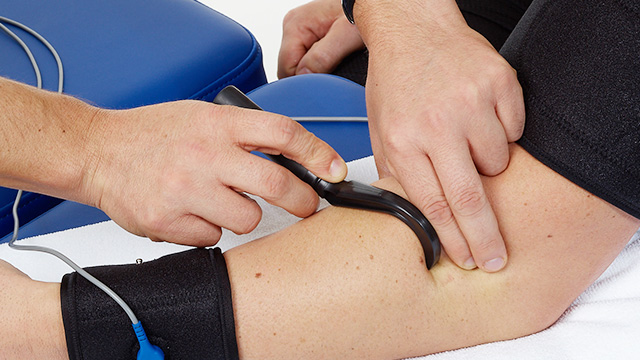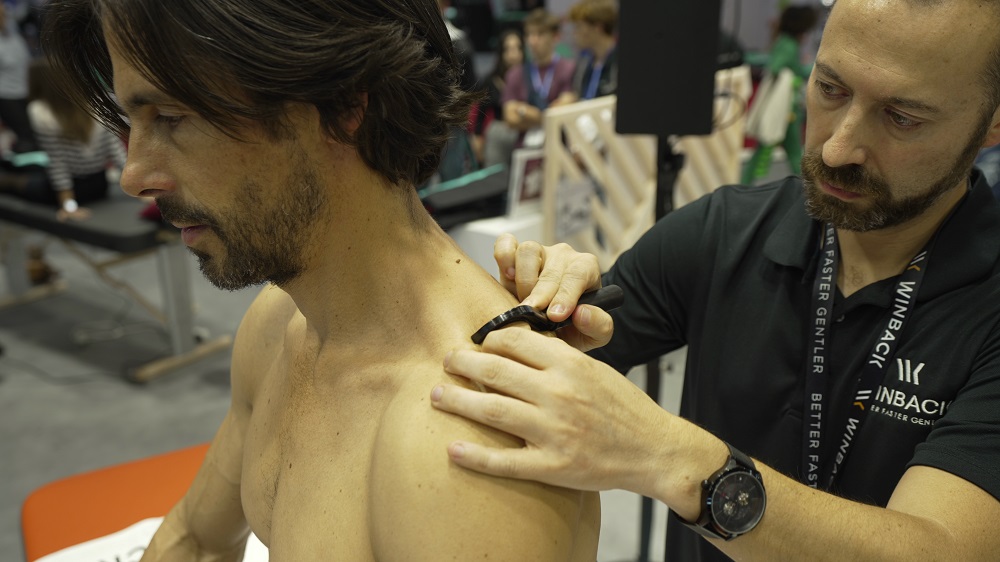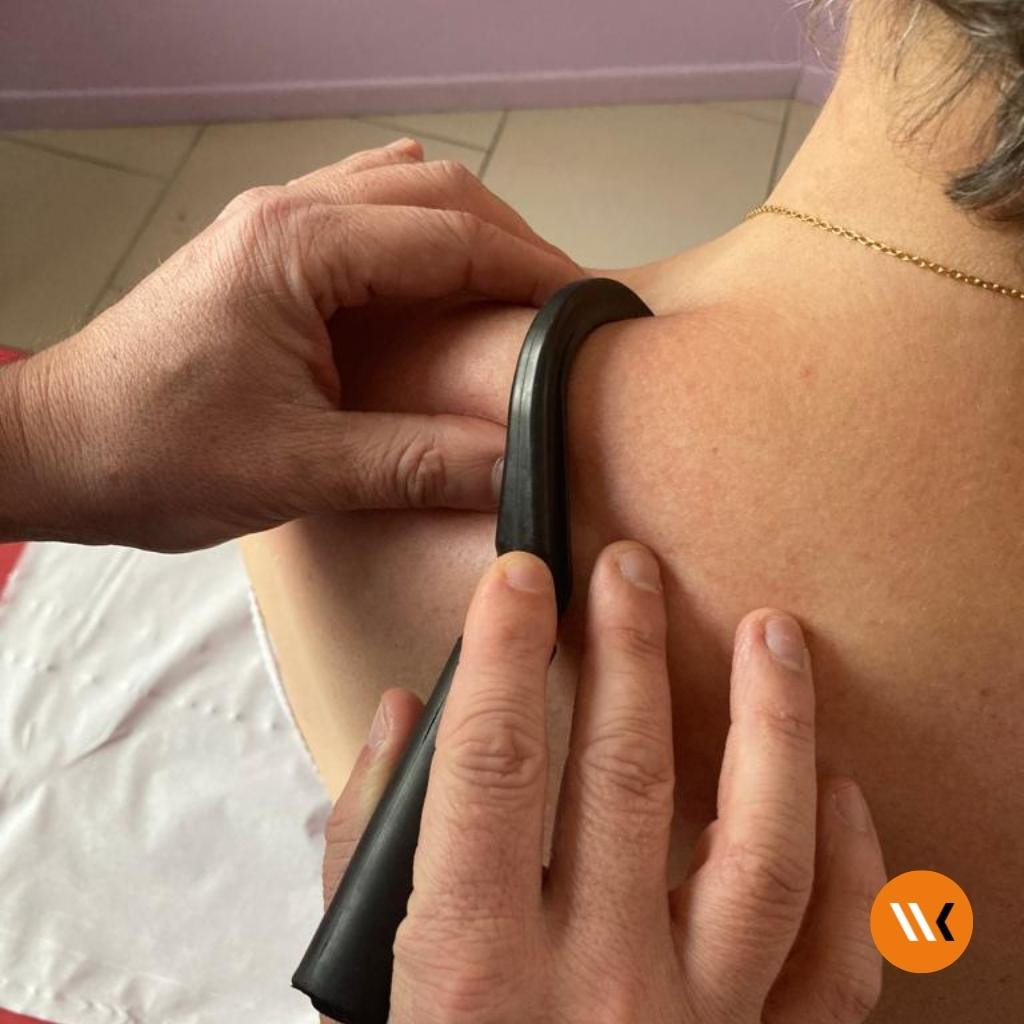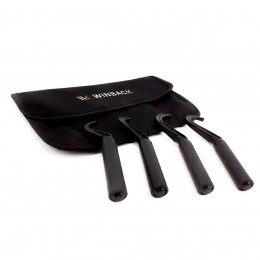
As a complement to other manual techniques and physiotherapy tools, hooking allows tissue to be released more easily, quickly and precisely than with the fingers, thanks to its anatomical spatula and the different formats on offer.
Hooking was originally invented by Mr Kurt EKMAN, a Swedish physiotherapist and collaborator of Dr CYRIAX.
The basic idea was to be able to use hook-shaped tools of different curvatures; with a spatula-shaped end to insert between the elements to be freed, which would not be possible just with the fingers.
The technique consists in mobilizing soft tissues to restore myofascial gliding planes by releasing scar adhesions. Its global action acts on the myo-neuro-hormonovascular system, enabling tissue homeostasis to be restored.
More specifically, in monitoring athletes, this will enable us to :
Clinical and palpatory examination helps identify restrictions in myofascial or tendinous mobility.
We can speak of mechanical, reflex and trophic effects associated with the use of myofascial hooks.
It is particularly recommended for the treatment of periostitis, epicondylitis and patellar tendinopathy. It can also be applied :
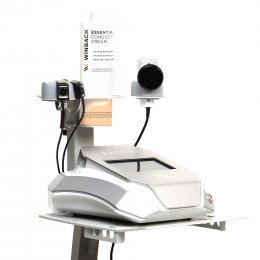
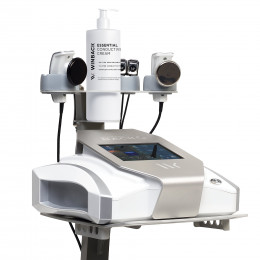
Hooking techniques and Winback technology are highly complementary, since hooking and Tecar energy help restore tissue trophicity. What's more, increasing resistance by crocheting the fabrics will allow Winback energy to build up on this resistance, thereby increasing the thermal effects and releasing tension more quickly.
Combining the mechanical action of the hooks with the metabolic and vascular action provided by Winback will restore the gliding planes even more rapidly.
What's more, the analgesic action provided by the Winback resistive current and HiTENS current makes hooking techniques pain-free. (BACK4 and BACK3TX devices only).
EASY PAYMENT
Credit card
FREE DELIVERY
From 500 £ (excl. vat) of purchases
AT YOUR SERVICE
From Monday to Friday 9:00 a.m. to 5:00 p.m.
100% SECURE PAYMENTS
With Stripe
PAYMENT METHODS
Visa, Mastercard