Over the past few years, more and more therapists have become interested in understanding fascia and how to work with it during physiotherapy sessions. Initially, fascia was defined as the fibrous connective membrane made up of the fascia covering the superficial muscles of a given body segment, which separates the integumentary planes from the deep planes. However, the definition of fascia is evolving to include all collagen-based soft tissues (tendons, ligaments, bursae) as well as muscle support tissues (endomysium, perimysium and epimysium). Fascias thus form an interconnected network similar to a spider's web (notion of tensegrity).
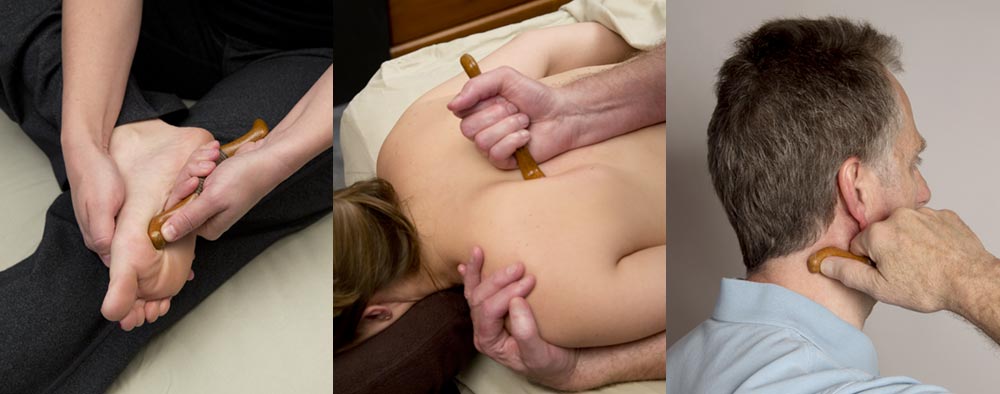
Several simple tools are available to support manual work on this complex structure.
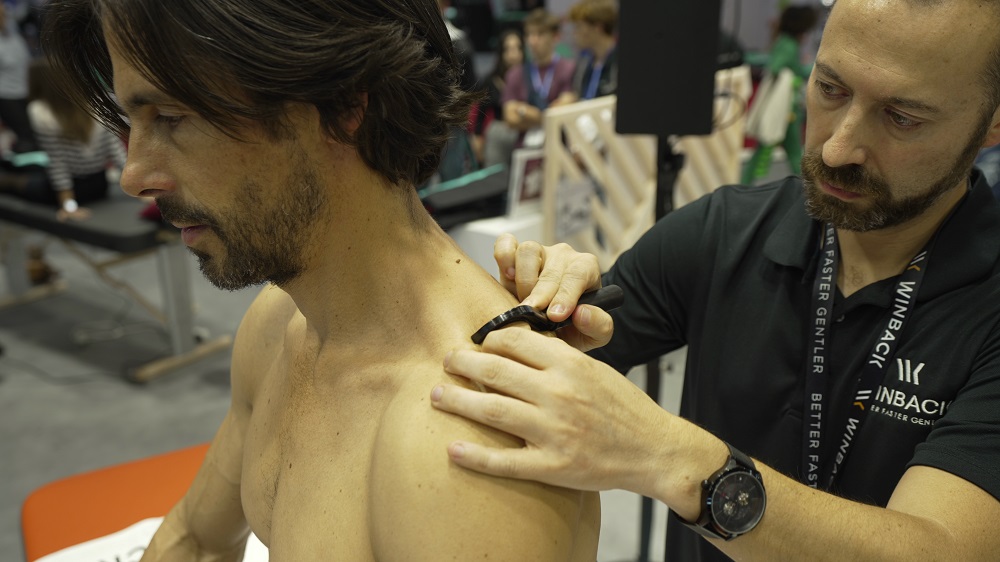
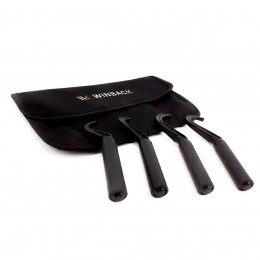
Crocheting is a specific technique for assisted soft-tissue mobilization, designed to restore myofascial gliding planes by releasing tissue adhesions. It also has a global effect on the myo-neuro-hormonovascular system, enabling tissue homeostasis to be restored. The different curvatures of the hooks enable optimum adaptation to all the anatomical zones treated. In particular, it helps relieve muscular tension caused by stress, improve tissue suppleness and eliminate chronic pain and discomfort.
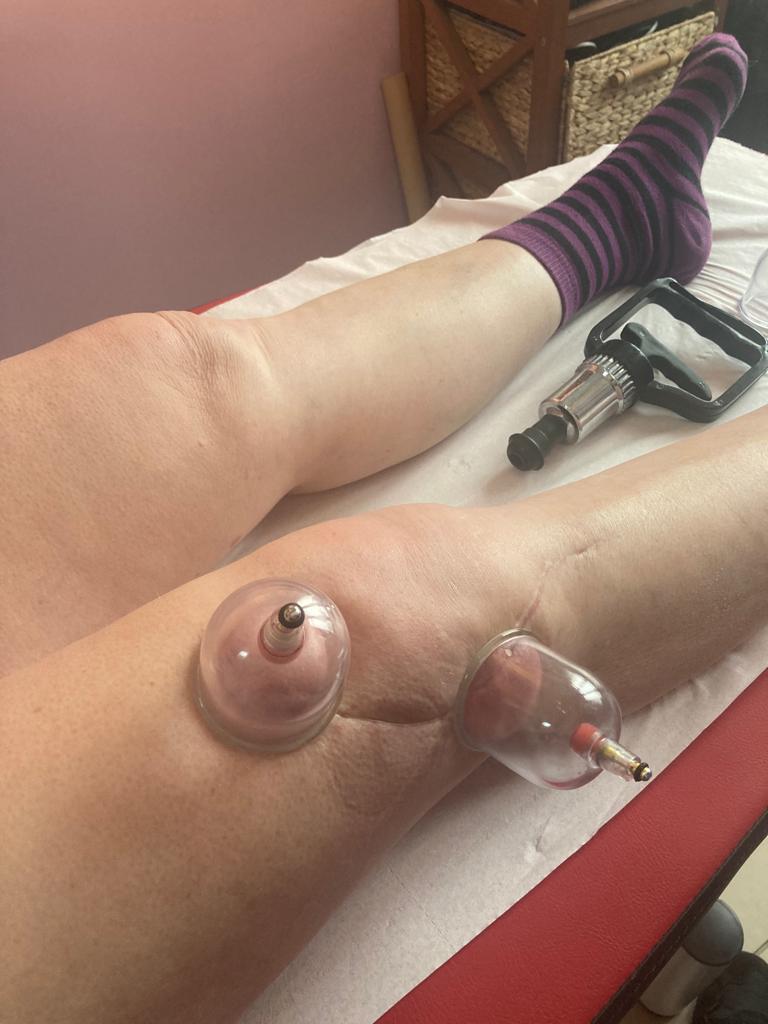
Originating in traditional Chinese medicine, cupping is used to release points of tension or tissue restriction in the body. Cupping can be used in different ways: fixed, as a defibrosing massage or in combination with active mobilization. This method stimulates the mechanoreceptors in the fascia, regulating not only tension but also microcirculation to relieve local congestion. Cupping can be used on inflammatory and congestive pathologies and all pathologies associated with tissue fibrosis, such as certain chronic lumbago, back pain, cervicalgia, etc., as well as in sports pathologies such as the after-effects of myoaponeurotic lesions or sprains.
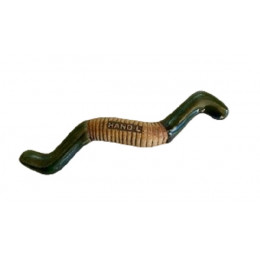
Derived from the Chinese Gua Sha and complementary to those mentioned above, the “scraping tool” enables superficial and deep tissue treatment in many forms. Its use promotes the remodeling of connective tissue through friction generated on the skin and underlying tissues. The effects of scraping are analgesic, improved trophicity and increased range of motion. A real “plus” for assisted soft-tissue mobilization techniques, this sinusoidal-shaped tool enables a variety of manual therapies: scrapping, but also deep massage, untwisting, Aunisian or reflex techniques. It provides relief for people suffering from muscular, ligament or tendon pathologies, as well as for patients suffering from inflammation and chronic pain, while saving the therapist's hands!
EASY PAYMENT
Credit card
FREE DELIVERY
From 500 £ (excl. vat) of purchases
AT YOUR SERVICE
From Monday to Friday 9:00 a.m. to 5:00 p.m.
100% SECURE PAYMENTS
With Stripe
PAYMENT METHODS
Visa, Mastercard